Navigate the Road: Premier Driving Lessons and Tutorials for Beginner Drivers
Navigating the path of becoming a proficient driver can be daunting for new students. Choosing the right driving class is important, as it impacts the basis of their driving journey. Several options exist, from private lessons to online courses. Each provides specific benefits designed for individual preferences. Understanding what to expect in beginning lessons and basic skills is vital. However, the primary question remains: how can new drivers ensure they are truly prepared for the road ahead?
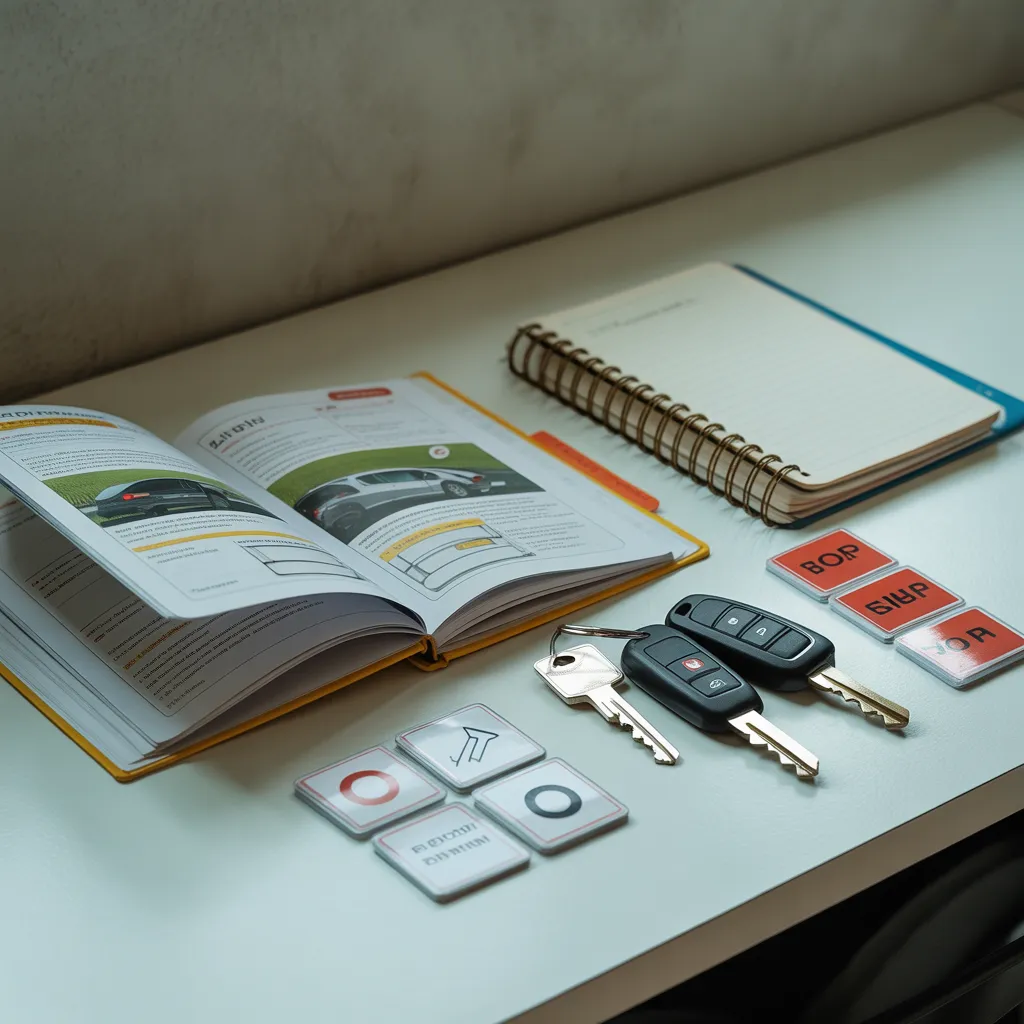
How to Choose the Right Driving Class for Your Needs
How does one determine the most suitable driving course to meet specific needs? Finding the right driving program involves evaluating specific factors, such as prior experience, preferred learning approach, and time constraints. New drivers should evaluate whether they prefer classroom or virtual learning, as well as the convenience of class timing. Furthermore, assessing the standing of local driving schools through feedback and recommendations can help gauge their quality.
Financial planning is another key aspect, as understanding the cost of different classes guarantees the decision fits within monetary boundaries. Moreover, prospective students should inquire about the credentials of teachers, as skilled instructors can considerably elevate the training process. Lastly, aspiring road users should pinpoint any particular abilities they wish to develop, such as defensive driving or highway navigation. By systematically analyzing these elements, individuals can make an educated choice that aligns with their individual driving objectives and situation.
What Are the Different Kinds of Driving Lessons?
While considering the numerous forms of driving instruction available, new drivers can choose from individual driving lessons, classroom courses, or web-based instruction. Each option offers unique advantages based on personal learning styles and availability. Recognizing these distinctions is key to choosing the best method for developing driving proficiency.
One-on-One Driving Lessons
Numerous beginner drivers pursue one-on-one driving instruction to build their confidence and abilities while driving. This type of instruction usually delivers one-on-one instruction, allowing for personalized learning experiences tailored to each individual's needs. Teachers frequently adjust their instructional approaches based on the learner's pace, addressing specific areas of concern, like parallel parking or driving on busy roads.
Individual driving lessons are available in different length, regularity, and difficulty, making them ideal for people who require a customizable learning plan or need thorough preparation before their road exam. Additionally, some driving schools offer tailored instruction, such as advanced safety driving or preparation for specific licensing exams. Altogether, personalized driving sessions function as an important asset for new drivers aiming to improve their driving skills and safety awareness.
Driving Classes for Groups
What options do new drivers have when it comes to group driving classes? Group driving classes provide a cooperative setting where several students are taught at the same time. These programs commonly incorporate classroom instruction covering road rules, safety procedures, and vehicle management. Participants then engage in practical driving sessions under the supervision of a licensed instructor.
Group classes come in a variety of formats, from community-based programs to driving school offerings. Some classes may focus on specific demographics, including teens or senior drivers, while some are open to new drivers of every age. These programs not only impart fundamental driving skills but also foster a sense of camaraderie among participants, enhancing the learning experience.
Internet-Based Driving Courses
Even as in-person driving classes stay in demand, online driving courses have emerged as a flexible alternative for new drivers seeking to learn essential skills. These courses generally include a variety of topics, including road regulations, defensive driving methods, and risk identification. Accessible in different formats, they often include video lectures, interactive quizzes, and downloadable resources. Some programs even provide real-time instructor assistance, giving students the ability to address concerns as they arise. Additionally, online courses offer the flexibility to suit unique learning needs, making them accessible for busy learners. Despite not offering the same physical experience as behind-the-wheel instruction, many online courses work alongside in-car training, offering a comprehensive foundation for new drivers. This adaptability makes them an appealing option for many new drivers.
What to Anticipate in Your First Driving Lesson
During a beginner driver's initial lesson, the teacher commonly covers the automobile's controls and explains critical safety protocols. This essential overview enables students to appreciate the value of safe driving practices. As Driving School they start their hands-on training, new drivers will likely concentrate on elementary driving skills and situational awareness.
Initial Lesson Summary
Interested in learning about what the first driving lesson entails? New drivers can expect a well-organized introduction to the vehicle and core driving skills. Commonly, the driving instructor will commence with a quick overview, covering the vehicle's controls and safety elements. Students will learn how to adjust mirrors, fasten seatbelts, and understand dashboard indicators. The session typically includes a focus on basic maneuvers such as engaging the engine, controlling the wheel, and applying the brakes. Instructors often emphasize the importance of maintaining attention and following road signs. By the end of the session, students may practice driving in a safe, open area, gradually building their confidence. In summary, the initial lesson functions as a fundamental stepping stone, created to gently guide novices into the driving experience.
Fundamental Safety Guidelines
Once the introductory lesson on vehicle orientation and essential maneuvers is complete, new drivers should be aware of key safety guidelines to guarantee a secure driving experience. As a top priority, they must consistently wear their seatbelts and confirm that all passengers are buckled up as well. Becoming familiar with the vehicle's controls, such as headlights, wipers, and turn signals, is essential for communicating effectively with other road users. Keeping a proper following distance reduces the risk of collisions, and observing posted speed limits further contributes to overall road safety. Beginning drivers are encouraged to stay focused on the road, refraining from using distracting devices such as mobile phones. Finally, practicing defensive driving techniques—anticipating potential hazards and being prepared to react—will greatly improve their chances of safe driving. Applying these recommendations ensures a dependable groundwork for cultivating safe and responsible driving practices.
Key Skills Every New Driver Must Master
Mastering essential driving skills is essential for new drivers as they manage the challenges of driving. Above all, new drivers must develop proficiency in steering, braking, and accelerating smoothly to keep proper control. Recognizing traffic signs and signals is also essential, as it guarantees compliance with road regulations. New drivers should also learn to execute proper lane changes and merging techniques, which are vital for secure road travel.
Furthermore, parking abilities, which include parallel parking and handling restricted spaces, strengthen general driving ability. Defensive driving practices are essential for foreseeing dangers and responding correctly to other drivers. Inexperienced drivers must also familiarize themselves with their vehicle's controls and features, which include headlights, wipers, and emergency signals.
In the end, mastering these skills fosters confidence, enabling new drivers to make informed decisions and promote safer roads. Focusing on these skills establishes a strong foundation for a lifetime of safe and responsible driving.
A Comparison of Online and In-Person Driving Lessons
As beginner drivers consider their choices for instruction, the selection between online and in-person driving lessons becomes a critical decision. Online driving lessons offer flexibility, allowing students to learn at their own pace and convenience. These courses often include engaging videos, modules, and assessments that cater to different learning styles. However, the lack of real-time feedback and hands-on experience may hinder some learners.
In contrast, hands-on driving lessons provide direct interaction with instructors, enabling instant feedback and tailored guidance. This hands-on approach can more effectively develop critical driving skills, as students practice in real driving conditions. Additionally, in-person lessons foster a sense of accountability and commitment.
At the end of the day, the decision depends on individual study habits, schedules, and confidence levels. A hybrid approach, integrating both digital theory lessons and practical in-person training, is likely to deliver a balanced solution for the majority of new drivers, guaranteeing a complete grasp of the fundamentals of driving.
Important Strategies for Gaining Confidence While Driving
Building confidence while driving is a fundamental component of mastering the art of driving, especially for new drivers who have just finished their training. One effective technique is to practice regularly in a variety of environments, including high-traffic roads, motorways, and residential areas. Such varied experience allows new drivers to adapt to diverse road situations. An additional effective strategy is to establish realistic milestones, such as perfecting reverse parking or navigating busy intersections, which can boost their overall confidence and satisfaction.
Moreover, having a trusted friend or family member accompany you can supply positive reinforcement and practical advice, which helps reduce nervousness. New drivers also benefit greatly from familiarizing themselves with vehicle controls and safety features, which builds a more thorough knowledge of their vehicle. Lastly, maintaining a positive mindset and visualizing successful driving experiences can greatly improve confidence. Combined, these strategies establish a strong basis for novice drivers, helping them to navigate the road with more certainty.
Getting Ready for Your Driving Test: Keys to Success
Even though the thought of taking a driving test may seem overwhelming, adequate preparation can significantly improve a new driver's likelihood of passing. To begin with, studying the driving handbook is crucial, as it contains vital information about road signs, rules, and regulations. Booking training sessions with an experienced instructor can help sharpen critical skills, such as parallel parking and lane changes. Moreover, new drivers would benefit from getting to know the testing route, if possible, to reduce anxiety on the test day.
One other crucial element is practicing defensive driving techniques, which can positively impact your examiner's assessment. When the day of your examination arrives, it's recommended to arrive early, giving yourself plenty of time to unwind and concentrate. Keeping a relaxed attitude from start to finish is critically important; anxiety may result in errors. Lastly, showing self-assurance and communicating clearly with your examiner can create a favorable impact, playing a significant role in securing a positive driving test result.

Common Questions and Answers
What Is the Typical Cost of Driving Classes?
Driver education courses usually fall between $50 to $150 per session, based on the instructor and area. Bundled plans may offer discounts, while supplementary costs for resources or permits can add to the final price.
Can I Take Driving Lessons if I'm Under 18?
That's correct, individuals under 18 can attend driving lessons. Most driving schools provide programs especially designed for teens, usually including a blend of theoretical training and hands-on driving experience to provide thorough learning and road safety knowledge.
What Items Should I Bring to My Driving Lessons?
A learner should bring a valid learner's permit, a notebook for notes, comfortable and suitable clothing, and all necessary documentation. Additionally, carrying a pen, water bottle, and snacks can enhance the overall driving lesson experience.
Can You Get Discounts for Group Lessons?
Numerous driving schools offer special pricing for group lessons, prompting family members or friends to train together. These reduced rates will differ, so it is beneficial for individuals to reach out to the particular driving school for additional details.
How Long Does It Take to Complete Driving Lessons?
Generally, finishing driving lessons requires approximately 4 to 6 weeks, subject to the individual's availability and the frequency of lessons each week. Elements like previous experience and the speed of learning can also affect this timeframe.